In many cases, pelvic floor physiotherapy represents an effective and targeted therapeutic pathway.
The pelvic floor is a complex and essential structure for overall well-being, although it is often little known and sometimes underestimated.
It consists of a group of muscles, ligaments, and connective tissues that perform essential functions: supporting internal organs, contributing to urinary and fecal continence, playing a role in sexual function, and working together with abdominal and respiratory muscles to maintain body stability.
When this system loses balance—due to weakness, hypertonicity, neuromuscular dysfunction, or pain—symptoms may arise that significantly impact quality of life, often also affecting emotional and relational well-being.
In these cases, pelvic floor physiotherapy represents an effective and targeted therapeutic approach. Today, thanks to the integration of manual therapy and advanced rehabilitation technologies, it is possible to intervene in an increasingly precise, personalized, and comprehensive way.
The role of physiotherapy in pelvic floor rehabilitation
Pelvic floor physiotherapy does not focus solely on symptom management, but aims to restore a functional balance of the entire system.
Each treatment begins with a comprehensive assessment, which analyzes not only muscle function, but also coordination, sensitivity, intra-abdominal pressure management, and the individual’s daily habits.
In fact, pelvic floor dysfunctions are often not caused by a single factor, but by a combination of elements involving posture, breathing, movement, and the nervous system.
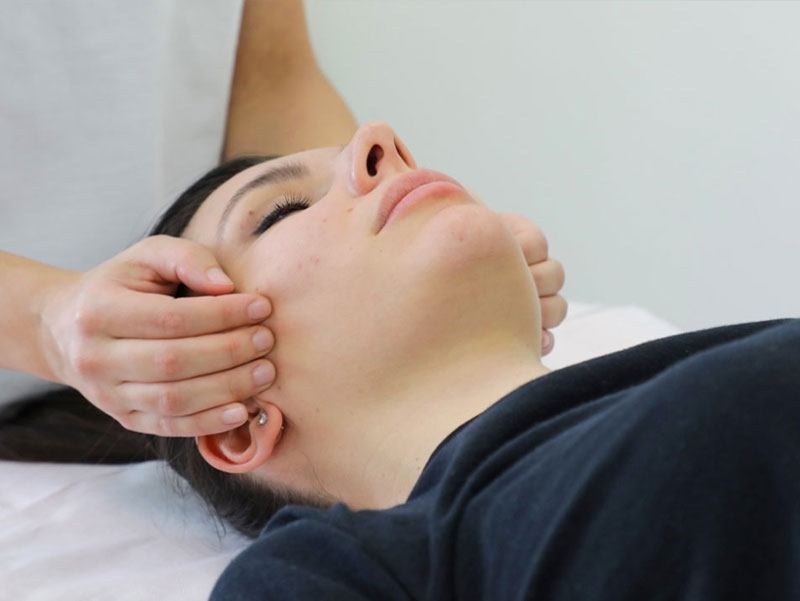
Based on this evaluation, a personalized treatment plan is developed, which may include manual therapy, therapeutic exercise, and education.
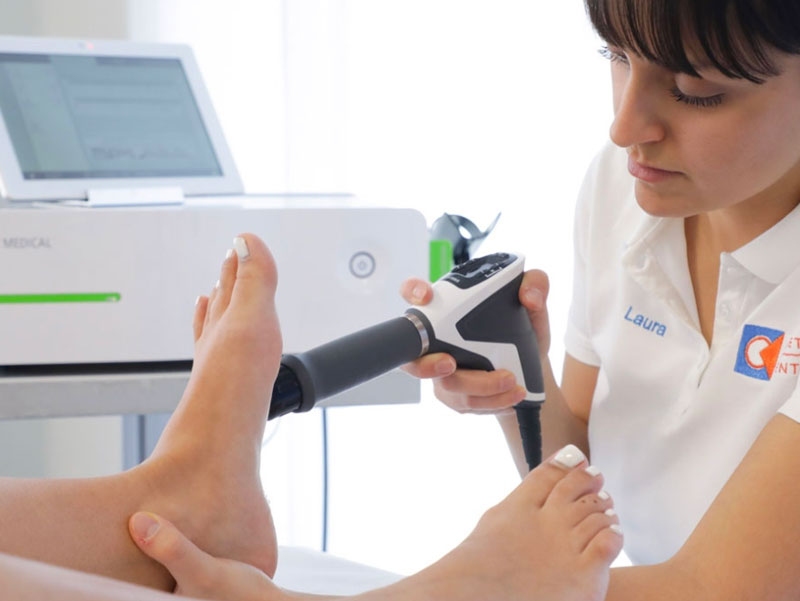
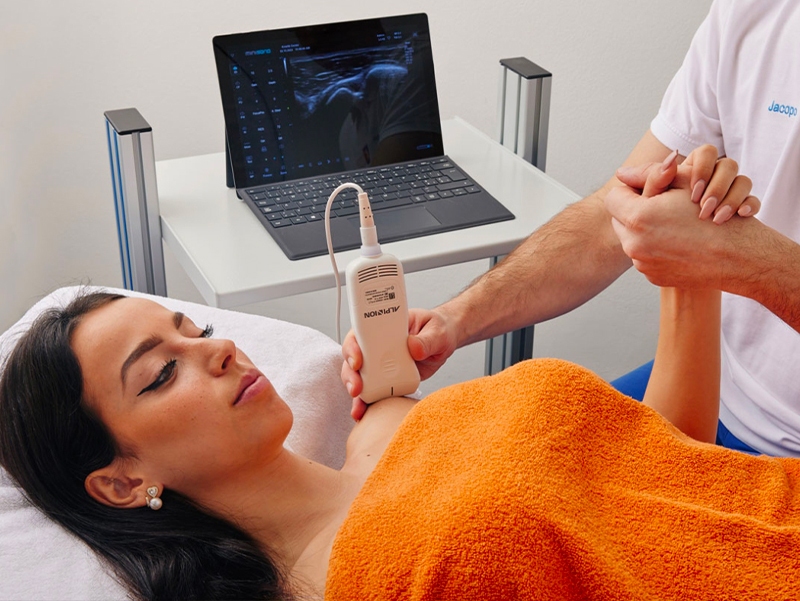
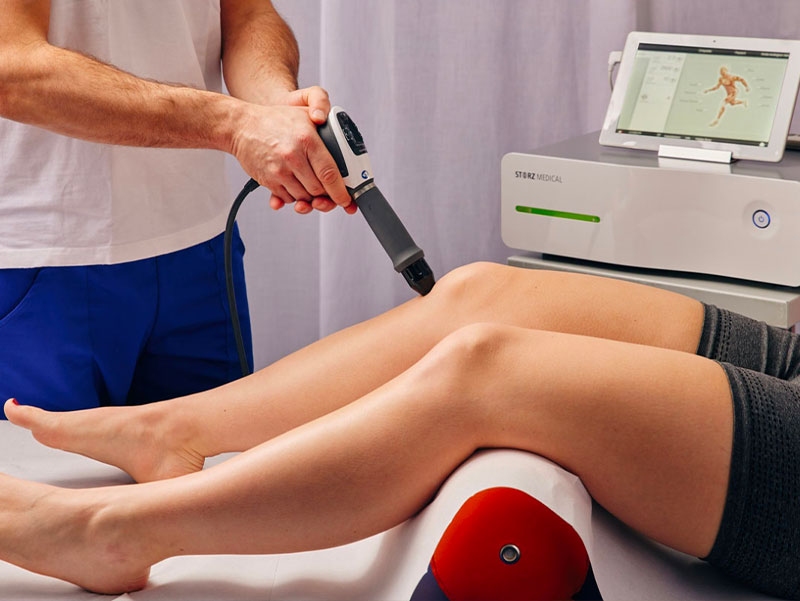
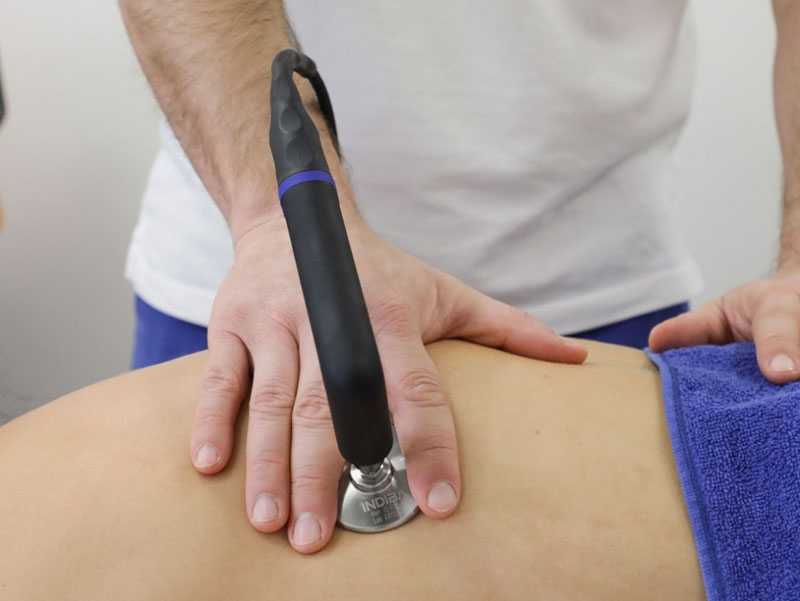
When indicated, this approach is complemented by instrument-based therapies, allowing for more targeted intervention on specific aspects of the condition.
Technologies for pelvic floor rehabilitation
Rehabilitation technologies play an important role in pelvic floor treatment, as they allow intervention on aspects that are not always easily perceived or voluntarily activated.
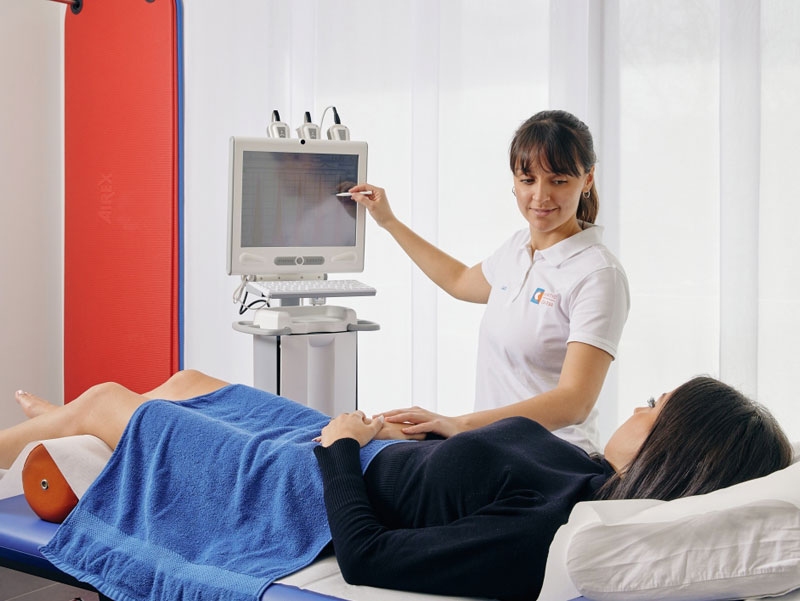
One of the most commonly used tools is biofeedback, which enables individuals to visualize their muscle activity in real time. This process enhances body awareness and helps patients learn how to properly contract and relax pelvic floor muscles, especially when motor control is impaired.
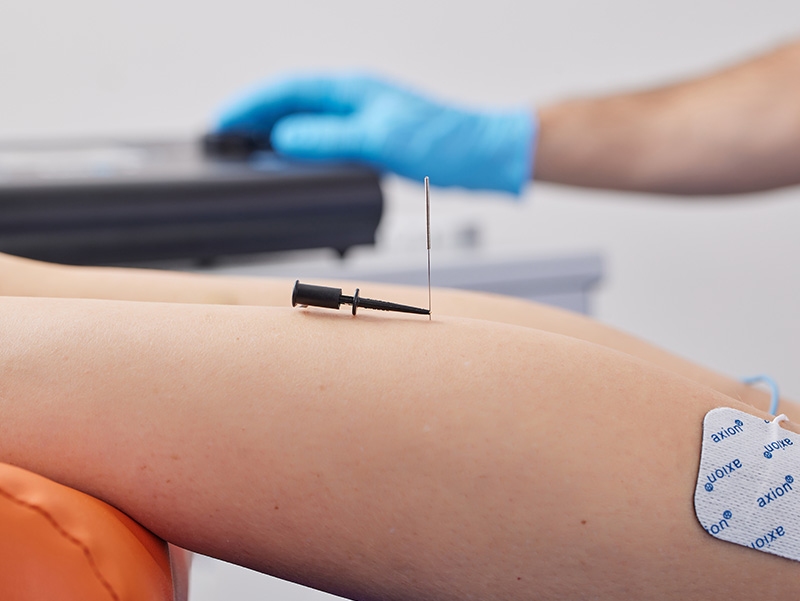
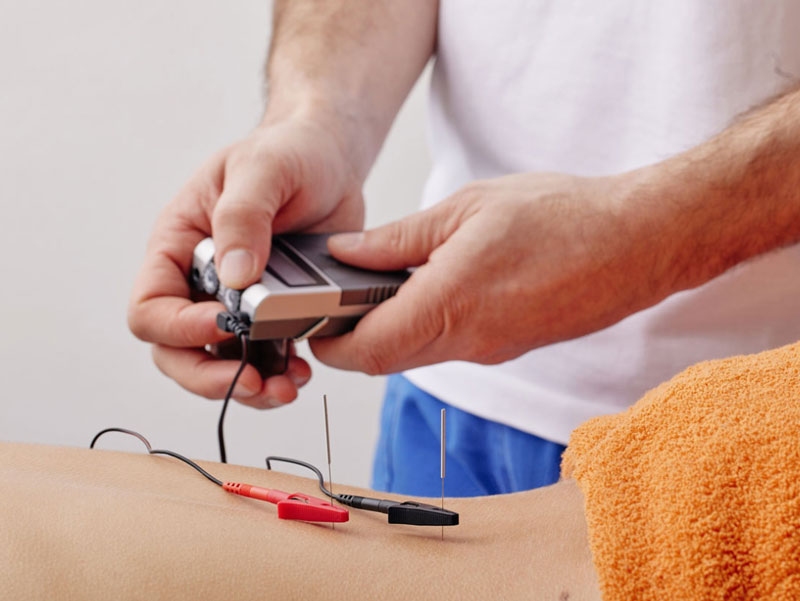
In cases of muscle weakness or difficulty in activation, functional electrical stimulation can be used to facilitate muscle fiber recruitment and improve tone and endurance.
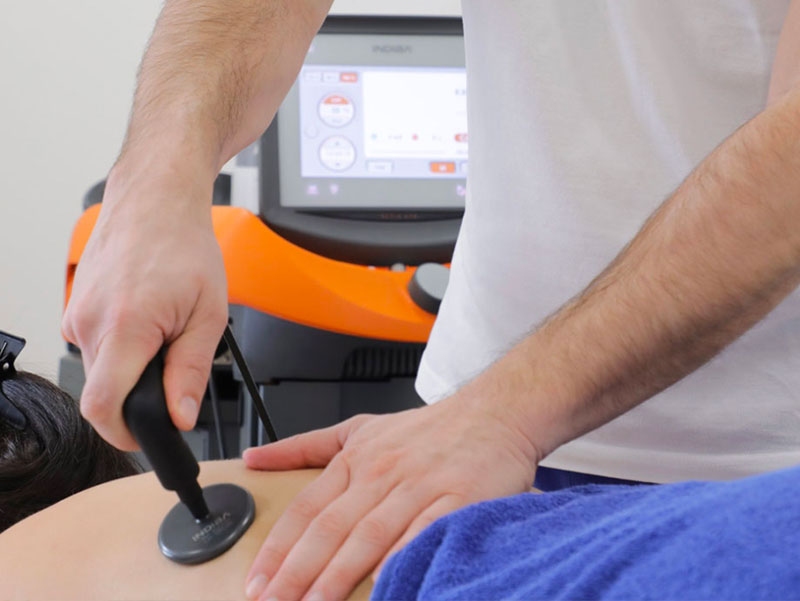
There are also non-invasive technologies, such as functional magnetic stimulation, which allow treatment of pelvic muscles without the need for intracavitary techniques. This approach is particularly useful for individuals who do not tolerate more direct treatments or are in the early stages of rehabilitation.
Another area of intervention is neuromodulation, used to influence the control mechanisms of bladder and sphincter function, for example in cases of overactive bladder or continence disorders.
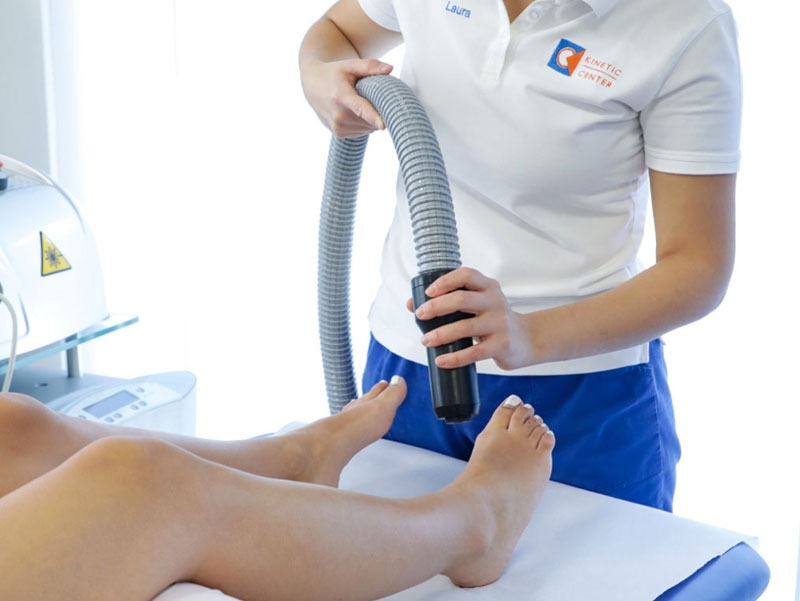
In addition, biostimulation therapies such as radiofrequency and low-level laser therapy help improve tissue quality, enhance microcirculation, and support healing processes, particularly in the presence of scars, fibrosis, or tissue tension.
Integration between manual therapy and therapeutic exercise
Despite the effectiveness of technologies, treatment success never depends on a single tool.
The true value of pelvic floor physiotherapy lies in the integration of different components: manual therapy, therapeutic exercise, technology, and education.
Patients are guided through a process aimed at developing awareness, improving motor control, and integrating pelvic floor function into daily activities.
Learning how to manage intra-abdominal pressure, coordinate breathing with movement, and recognize the body’s signals are key elements for achieving lasting results.
Restoring function and quality of life through pelvic floor physiotherapy
Pelvic floor dysfunctions can have a significant impact not only physically, but also emotionally and socially.
For this reason, rehabilitation must always be respectful, gradual, and personalized.
Through an integrated approach, it is possible to improve function, reduce symptoms, and restore greater confidence in one’s body.
At the Kinetic Center in Lugano, the goal is to provide a pathway based on the most up-to-date scientific evidence, guiding each individual toward full recovery and improved quality of life.