Running is an activity that exposes the body to repeated loads and, in some cases, acute traumatic events.
Running is one of the most widely practiced sports and, when managed properly, it can provide significant benefits for cardiovascular, muscular, and mental health. At the same time, however, it is an activity that exposes the body to repetitive stress and, in some situations, even acute traumatic events.
For this reason, runners may face both true injuries, such as ankle sprains or muscle strains, and conditions that develop progressively over time, such as tendinopathies, knee pain, plantar fasciitis, or running-related low back pain.
Distinguishing between these conditions is important, because not everything that forces a runner to stop is, from a clinical perspective, an injury. In many cases, these are overuse conditions or dysfunctions that appear gradually, when tissues can no longer effectively adapt to training stress.
Understanding this difference allows for a more precise approach and helps establish a truly effective recovery path.
Acute injuries and overload-related conditions in running
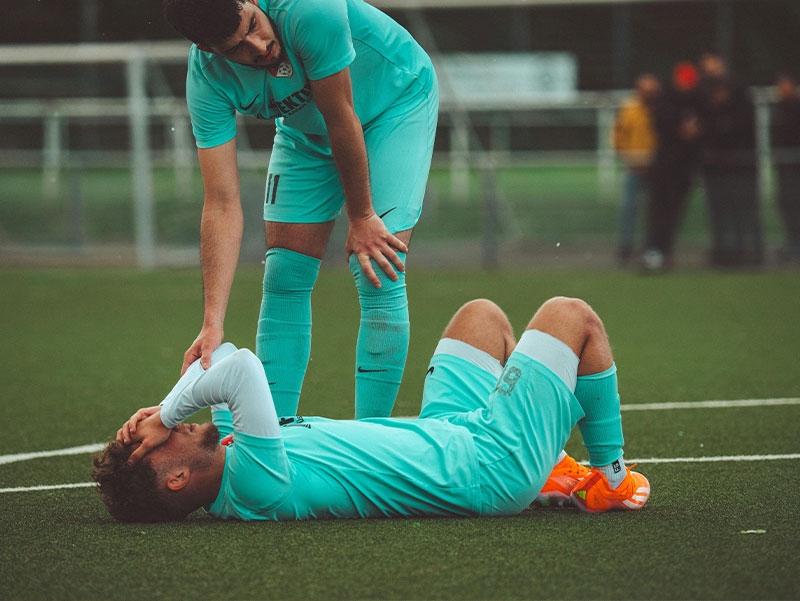
Runners may experience true traumatic events such as ankle sprains, knee injuries, sudden muscle tightness, or muscle strains. In these cases, pain appears suddenly, often following a specific movement, incorrect foot placement, or an acute effort.
Much more frequently, however, runners deal with issues related to functional overload. This includes tendinopathies, plantar fasciitis, patellofemoral pain syndrome, iliotibial band syndrome, or certain types of low back pain associated with running.
These conditions often develop progressively: they may initially present as mild discomfort, stiffness, or post-training pain, but can evolve into persistent problems if not properly managed.
The most common conditions in runners
Among the most frequent issues in runners are:
- tendinopathies, especially affecting the Achilles and patellar tendons;
- plantar fasciitis, with foot pain during the first steps or after rest;
- patellofemoral pain, located at the front of the knee;
- iliotibial band syndrome, causing lateral knee pain;
- running-related low back pain, often linked to compensation patterns or load management;
- ankle sprains, especially on uneven terrain.
Why proper intervention is essential
When pain appears during running, people often tend to ignore it or, conversely, to stop completely without a clear strategy. Both approaches can be ineffective.
Persistent pain is often a sign of overload or reduced tissue adaptability. Early intervention helps identify the cause, reduce symptoms, and establish a progressive recovery.
In the case of an acute injury, timely evaluation is essential to rule out complications and begin appropriate treatment immediately.
Physiotherapy treatment for runners
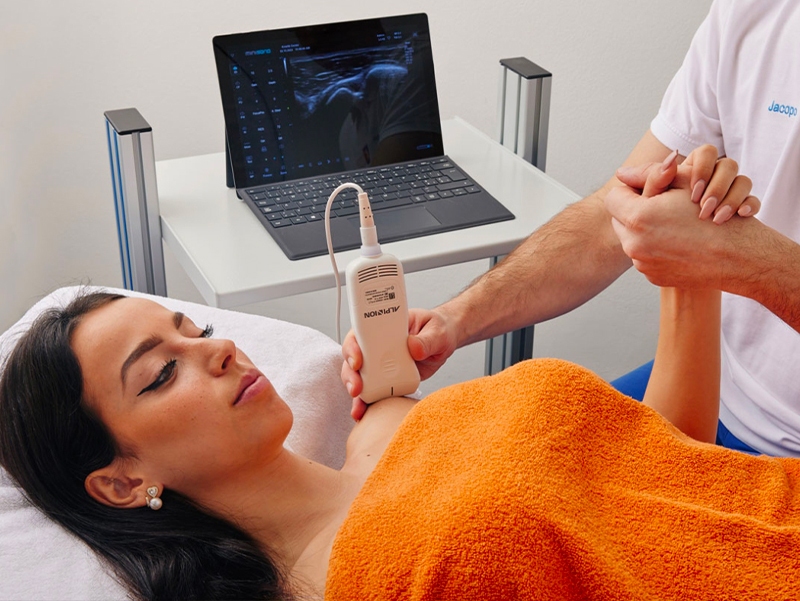
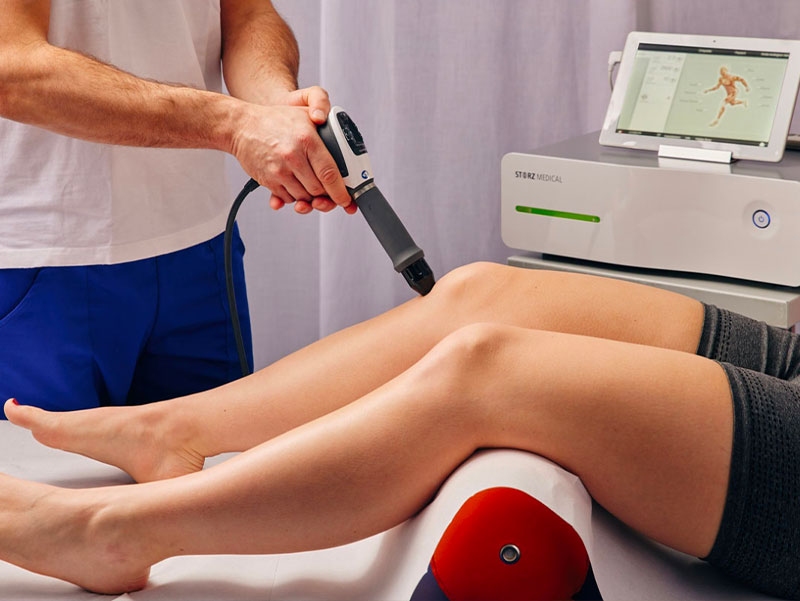
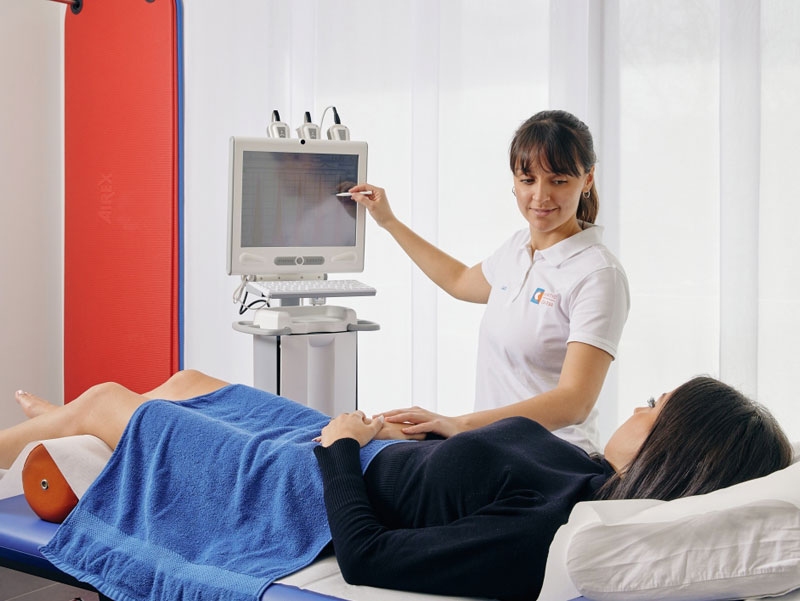
Physiotherapy treatment always starts with a comprehensive functional assessment, considering the type of pain, its progression, and its impact on running.
The goal is not only to treat symptoms, but to understand the root cause: trauma, overload, or altered movement patterns.
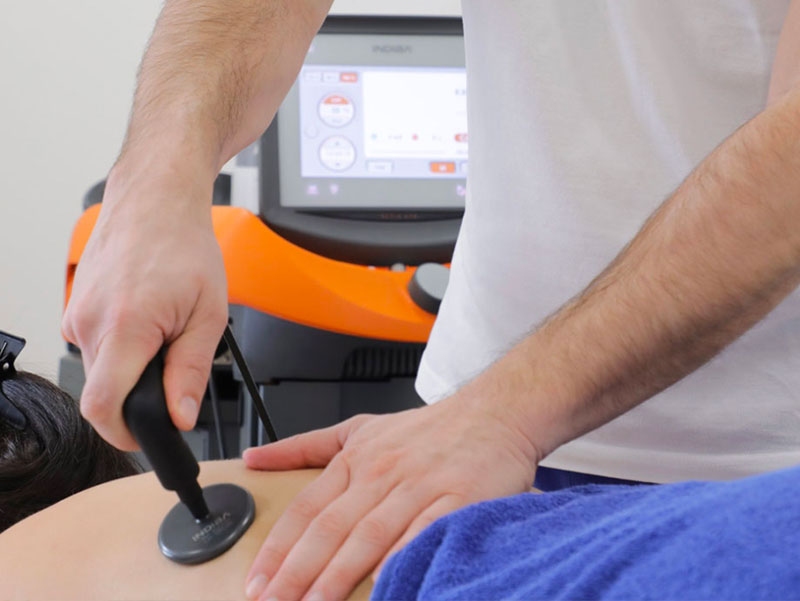
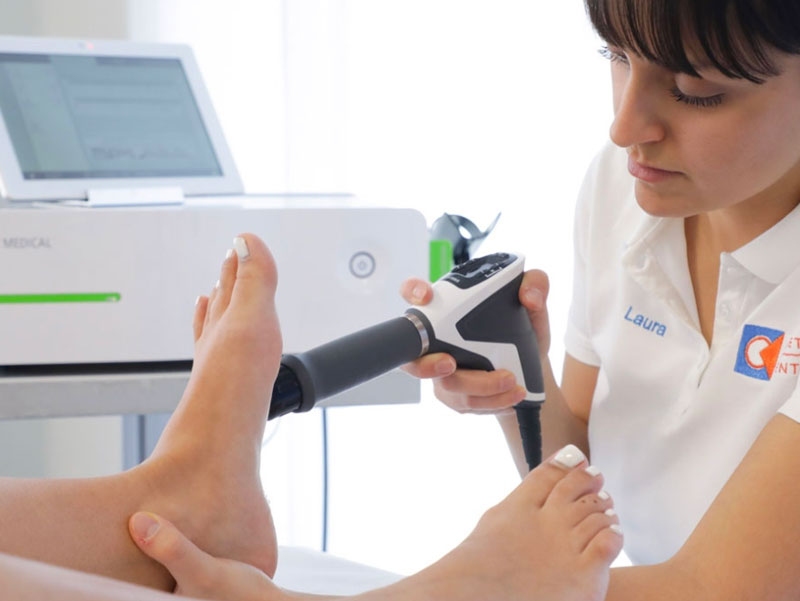
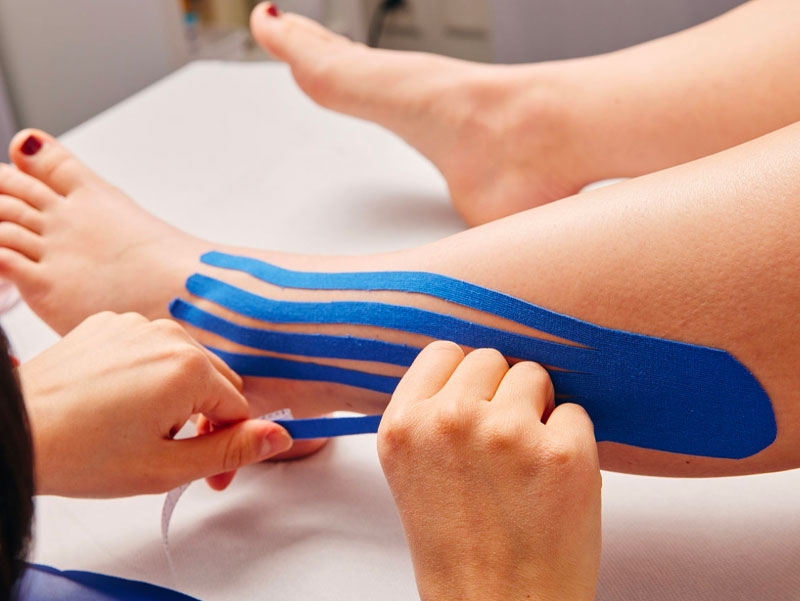
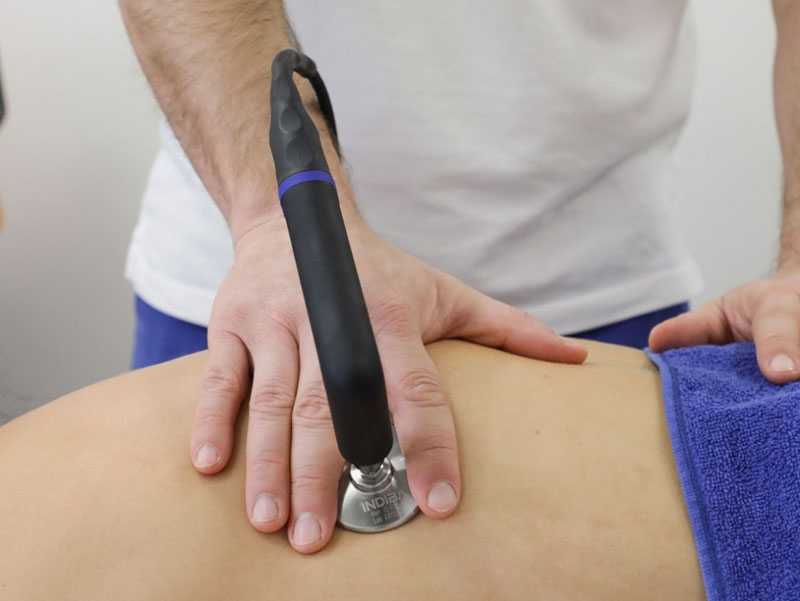
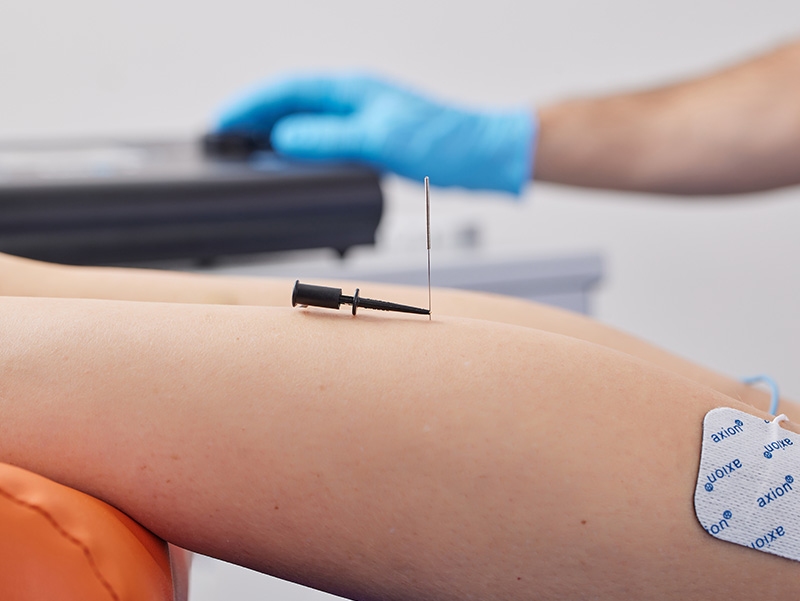
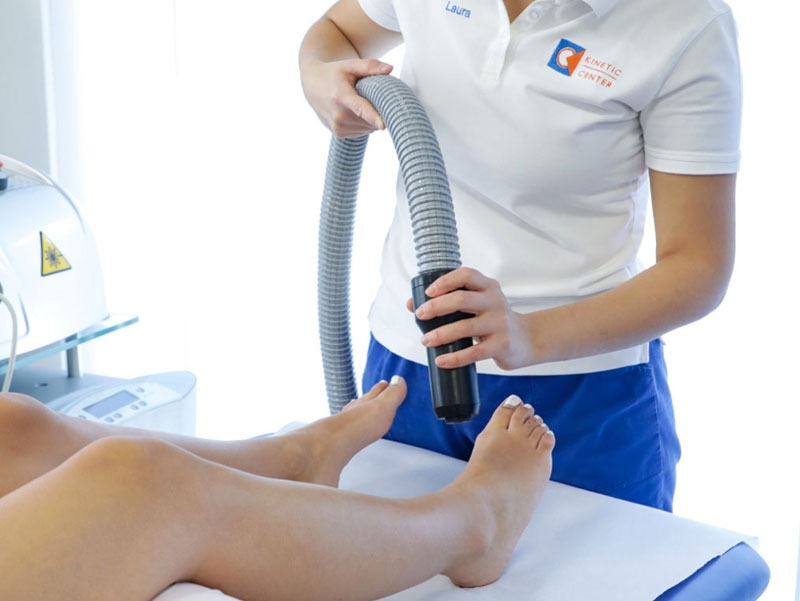
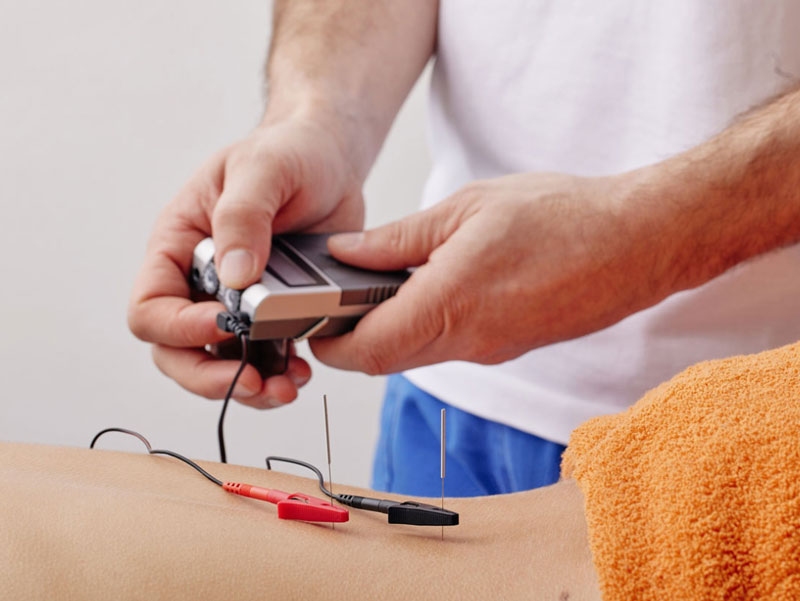
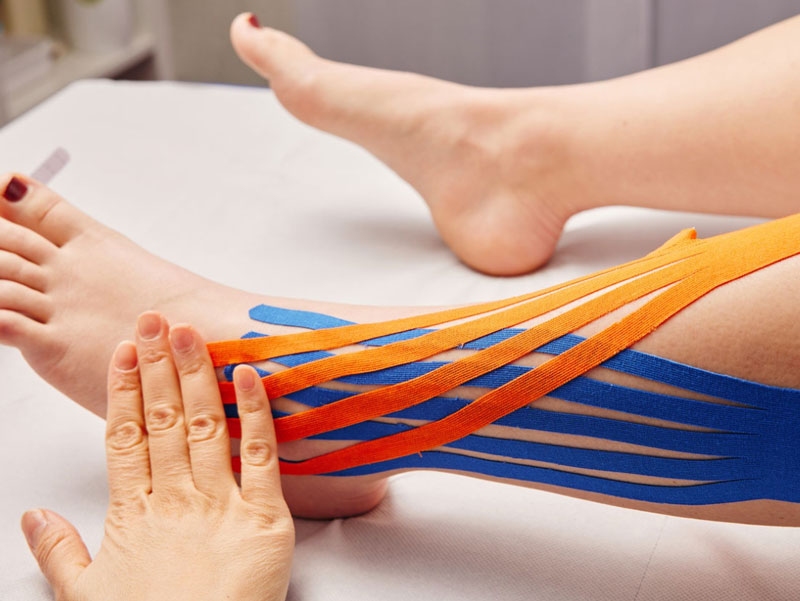
The rehabilitation process may include:
Active rehabilitation remains central. The runner is guided through targeted exercises and functional progressions to restore strength, motor control, and load tolerance—key elements for a safe return to running.
Return to running and prevention of recurrence
Returning to running is a delicate phase. Resuming without a proper progression increases the risk of recurrence, especially in overload-related conditions.
For this reason, the return must be gradual, personalized, and based on the body’s response.
Supporting a runner also means helping them better understand their body and manage training load effectively.
A specialized approach for runners
At Kinetic Center in Lugano, treatment of running-related conditions is based on a personalized and integrated approach, clearly distinguishing between acute injuries and overload conditions.
The goal is to promote an effective recovery, reduce downtime, and ensure a safe and sustainable return to running.
Stopping does not mean losing progress: it can be an opportunity to restart with greater awareness and prevent future issues.