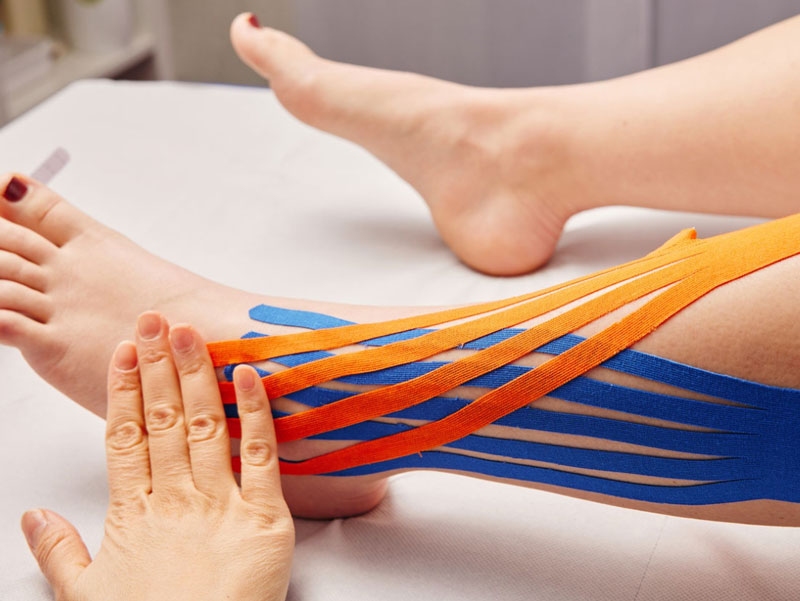
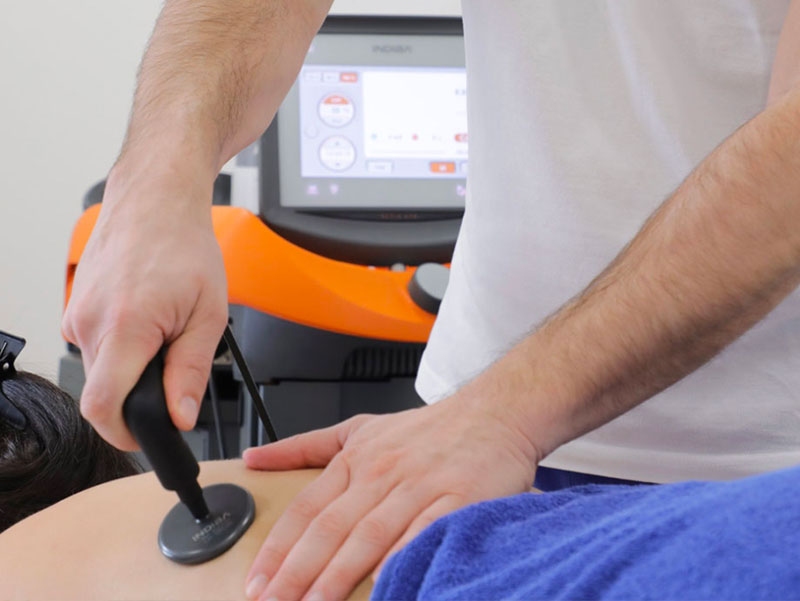
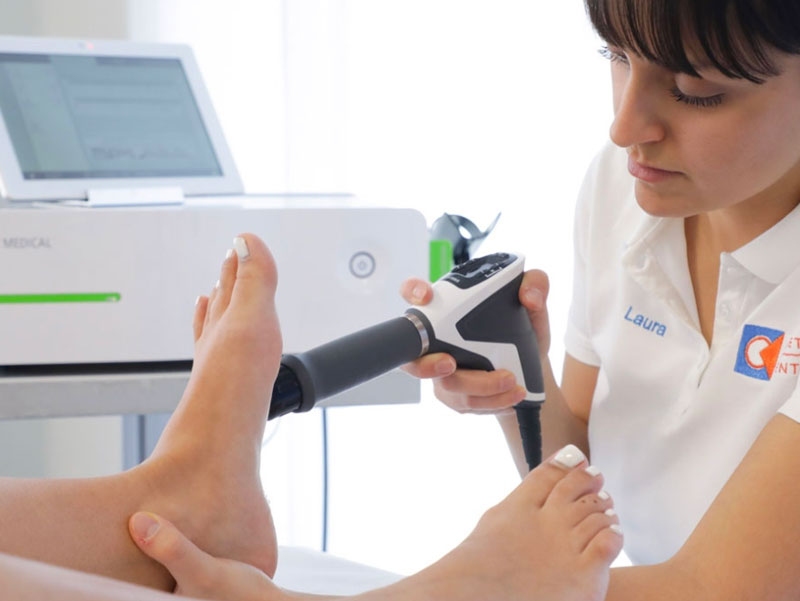
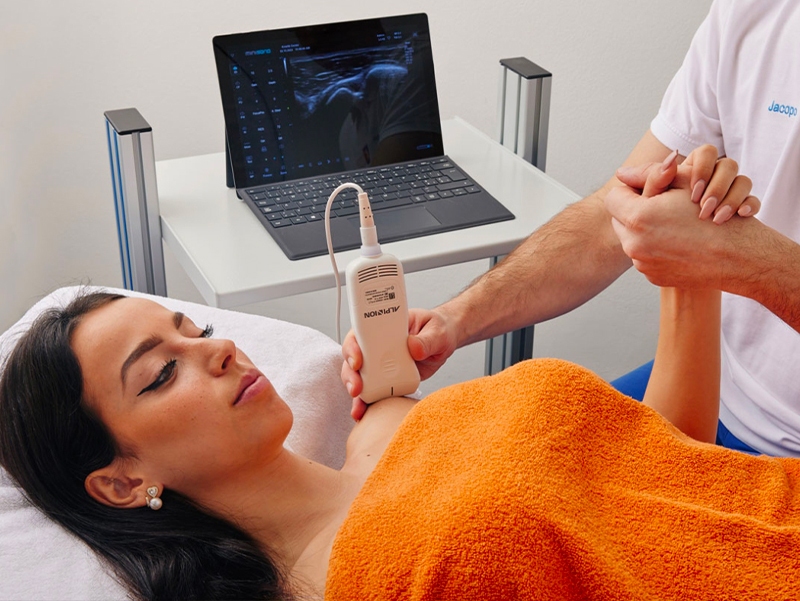
Preventive physiotherapy is based on an active and conscious approach. The goal is to improve the body’s efficiency.
In the care pathway, people often turn to physiotherapy only when pain is already present and limiting daily activities. However, one of the most important—and often overlooked—aspects is precisely prevention.
Preventing musculoskeletal disorders: recognizing the body’s signals
Many musculoskeletal disorders do not appear suddenly, but are the result of small imbalances that develop over time, often silently. Prolonged postures, repetitive movements, poorly managed loads, or limited movement variability can gradually alter how the body functions, eventually leading to pain or limitations.
In reality, the body sends signals long before a clear problem arises: stiffness, fatigue, a sense of tension, or difficulty with certain movements. Learning to recognize these signals is essential to intervene early and prevent the situation from worsening.
The role of physiotherapy in prevention
In this context, preventive physiotherapy is based on an active and conscious approach. Through a functional assessment, it is possible to observe movement quality, analyze posture, and identify potential dysfunctions or compensatory patterns.
Based on this, a personalized plan is developed, which may include targeted exercises, movement education, and practical strategies to integrate into daily life.
The goal is not only to prevent pain, but to improve the body’s efficiency, increase awareness, and support a more balanced management of daily, work-related, or sports activities.
Preventing recurrence after an injury
Prevention is not only for those who have never experienced pain. It is equally important for individuals who have already dealt with a musculoskeletal issue.
In these cases, intervening after the acute phase helps reduce the risk of recurrence, which is one of the main challenges in many conditions such as low back pain, neck pain, or tendinopathies.
Long-term maintenance and monitoring
Even after completing a physiotherapy program, in some cases it may be useful to plan follow-up assessments or a maintenance program, in agreement with the treating physician.
This approach helps consolidate results, monitor any changes, and intervene promptly if needed—preventing a return to the initial condition.
Access to physiotherapy: medical referral and insurance coverage
It is important to note that starting a physiotherapy program—especially in the presence of pain or specific issues—should always begin with consultation with a physician, who can assess the clinical situation and recommend the most appropriate path.
Physiotherapy treatments may be covered by basic health insurance when prescribed by a general practitioner or specialist and included in the treatment of acute or chronic conditions. In these cases, physiotherapy can also play a long-term maintenance role in managing the condition.
Purely preventive programs, on the other hand, are generally not covered by basic insurance. However, it is still possible to access physiotherapy assessments and personalized programs on a private basis, with the goal of taking care of the body before problems arise.
Preventing to improve well-being and quality of life
Prevention means investing in long-term well-being. Beyond avoiding pain, it allows you to build greater body awareness, improve movement quality, and maintain a high quality of life.
At Kinetic Center in Lugano, prevention is an integral part of the therapeutic approach: supporting individuals not only in treatment, but also in long-term maintenance and management of their well-being.